IVF is one specific procedure — the one where eggs are retrieved, fertilized in a lab, and an embryo is transferred.
What is IVF
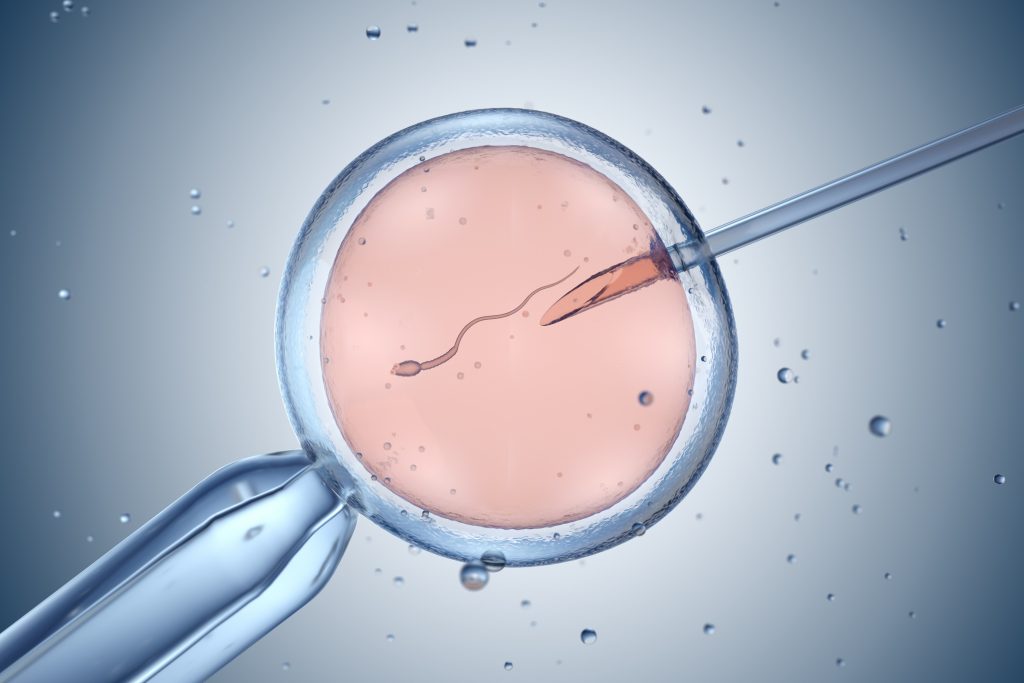
IVF stands for in vitro fertilization. “In vitro” means “in glass” — a reference to the fact that fertilization happens in a lab rather than inside the body. Eggs are collected, combined with sperm in the lab, and a resulting embryo is placed into the uterus, where it can implant and grow into a pregnancy.
IVF and ART: how the terms fit
IVF is one specific procedure: eggs are retrieved, fertilized in a lab, and an embryo is transferred to the uterus.
The broader term is ART — assisted reproductive technology — which covers IVF along with the related procedures that go with it. In that sense, ART is the umbrella, and IVF is one procedure beneath it.
In everyday use, though, “IVF” is often used as a stand-in for the whole process. That’s because most of the other lab procedures happen within an IVF cycle rather than instead of it. ICSI (injecting a single sperm into an egg), PGT (genetic testing of embryos), assisted hatching, and frozen embryo transfers aren’t alternatives to IVF — they’re steps or add-ons inside an IVF cycle. So when people say “IVF,” they usually mean the entire lab-based process, even though the term technically names one procedure with optional components.
One distinction is worth keeping straight: the simpler treatments that don’t involve a lab — like IUI, which places sperm directly in the uterus — sit alongside IVF, not under it. They’re different approaches, not types of IVF.
How pregnancy happens, and where it can stall
Conception comes down to a chain of four things. You need an egg, you need sperm, the two need a way to meet, and the result needs a healthy place to grow.
When conceiving is difficult, it’s usually because one link in that chain isn’t working. An egg isn’t being released, the sperm isn’t reaching it, the path between them is blocked, or the uterus needs support. Often more than one factor is involved, and sometimes no single cause is found.
In short: egg, sperm, a way to meet, a place to grow. Most of what you’ll read about fertility is a closer look at one of those four pieces.
Where IVF comes in
Different treatments address different links in that chain. Some offer a small intervention — medication to encourage ovulation, or IUI. IVF addresses the chain more directly, handling fertilization and the first few days of embryo development in the lab before an embryo is placed in the uterus.
What a cycle looks like
A single round of IVF moves through a set sequence of stages:
- Testing and planning — bloodwork and scans inform a treatment plan.
- Stimulation — medication prompts the ovaries to mature several eggs at once.
- Egg retrieval — a short procedure collects the mature eggs.
- Fertilization — eggs and sperm are combined in the lab, and embryos develop over several days.
- Transfer and the wait — an embryo is placed in the uterus, followed by about two weeks before a pregnancy test.
Start to finish, one cycle spans a few weeks of active treatment.
A few things worth knowing early
It often takes more than one cycle. A single round working the first time happens, but needing more than one is common.
It involves physical, emotional, and financial demands at the same time. Each has its own section in this guide.
Related Articles
- How conception actually works
- Why pregnancy sometimes doesn’t happen
- Timing, cycles, and improving your odds
- Getting answers: tests and seeing a doctor
- How treatments help, from IUI to IVF